How Security Window Film Slows Down a Break-In

Most break-ins start at the glass. A door sidelight, a ground-floor window, or a storefront pane is the fastest way in, and a standard alarm only reacts after that glass is already broken. Security window film flips the timing. It works before the intruder gets in, turning a quick smash-and-grab into a slow, loud, difficult attempt that most burglars abandon. Sun Tint installs security window film in Louisville for homes, storefronts, schools, and offices, including along the Preston Highway and Poplar Level Road corridors in 40213, where property crime runs above the Louisville average.

The idea is simple: upgrade the glass a building already has instead of replacing every window. The film bonds to the existing pane, holds it together on impact, and buys the seconds and minutes that decide whether someone gets in.
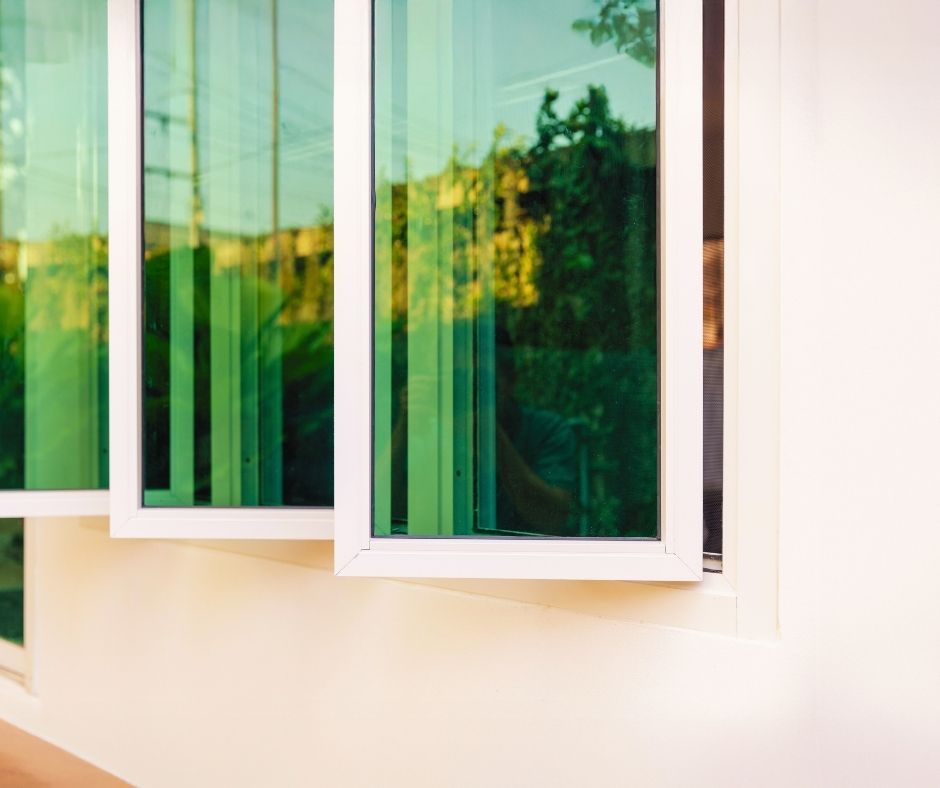
What the film actually does

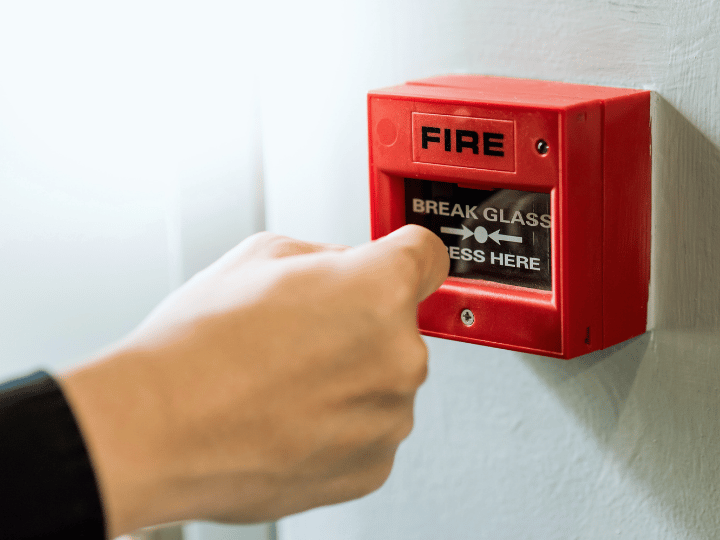
Security film is a heavy-duty polyester film, far thicker than a solar tint, that adheres across the whole surface of the glass. When something strikes a filmed window, the glass still breaks, but the pieces bond to the film much like a car windshield holds together after impact. That safe-shatter effect keeps the pane in one stubborn sheet instead of falling away, so there is no open hole to reach through and no spray of flying glass to cause injury. An intruder swinging at a filmed window hits it again and again while the glass flexes and holds, which is exactly the delay an alarm and a neighbor need.

Film Makes Glass Safe-Shatter

Safety and security films bond across the pane so that on impact the broken pieces stay attached to the film, much like a car windshield holds together, which prevents the open hole and flying glass a burglar or storm would otherwise create.

Anchoring Beats Film Alone

Film holds glass together, but the pane can still be pushed from its frame, so anchoring systems such as structural silicone, mechanical batten strips, wet-glaze, and corner braces attach the filmed glass to the frame for full-frame resistance.

Tested Against Impact and Pressure

Protective glazing films are evaluated under standards such as ASTM E1886 and ASTM E1996, which test how a glass-and-film assembly withstands impact and the pressure cycling of high-wind and forced-entry events.

Thickness is matched to the threat

Security film is not one product. It runs roughly from 2 mil up to 15 mil in thickness, and the right choice depends on the building and the threat level. A 4-mil film is a sensible upgrade for basic home windows and doors. An 8-mil film suits a Bardstown Road storefront that wants real resistance against a smash-and-grab. A 15-mil film, often paired with an anchoring system, is the level used for schools, banks, and buildings that need to slow a determined forced entry. Matching the film to the building type, the glass, and the threat is the difference between a token upgrade and real reinforcement.

Anchoring is what makes it strong

Here is the detail most companies skip. Film alone holds the glass together, but the glass can still be pushed out of its frame as a unit. An anchoring system attaches the filmed glass to the window frame so the whole assembly resists being knocked in. There are several approaches: structural silicone that bonds the film edge to the frame, a mechanical batten strip that clamps it, wet-glaze anchoring, and corner-brace systems. Full-frame reinforcement is what turns a filmed window into a stubborn barrier an intruder cannot punch through or shove aside. This is the piece that separates a serious security install from a basic one.

Where it earns its keep

Security film fits a wide range of Louisville buildings. Schools and daycare centers use it on entryway glass to delay entry. Churches and houses of worship protect stained glass and entry panels. Retail storefronts stop smash-and-grabs on merchandise. Banks and financial offices reinforce lobby glass. Government and municipal buildings add a layer to public-facing windows. And homes use it on French doors, ground-floor windows, sidelights, and sliding glass doors, the openings a burglar reaches for first. Films designed to mitigate and delay active shooter entry extend the same principle to the worst-case scenario, buying time for a lockdown to work.

An honest word on bullets and storms

Security film is not bullet-resistant glass. It is an impact and forced-entry mitigation product, and anyone who needs true ballistic protection needs a separate bullet-resistant glass system. What security film does do, beyond deterring break-ins, is hold glass together against storm debris and high winds, so a thunderstorm that would otherwise send a broken pane flying keeps it in the frame. It also blocks close to 99 percent of UV and cuts heat and glare, so the same film that reinforces a window also protects the interior. Sun Tint is clear about what the product is and is not, and matches it to the real need.

Real reinforcement, matched to the building

Sun Tint is a local, family-owned company with over 40 years of window film experience across Louisville and Southern Indiana and thousands of completed installations. Every security job is matched to the building type, threat level, and glass, with the film thickness and any anchoring system chosen for that specific building, from a home in the East End to a school entryway or a bank lobby. The company is a multiline dealer, offers free quotes and honest advice, and can pair security film with a building's existing alarm system as a layered upgrade. For security window film in Louisville, the consultation starts with the openings most at risk.

Security film works before an intruder gets in, holding the glass together and buying time an alarm alone cannot. To talk through the right thickness and anchoring for a home or business, call Sun Tint at (502) 254-0001 for a free security window film consultation.

Redirect to:


Redirect to:


Yes. Security film is a thick polyester film that bonds across the glass so a struck pane holds together instead of falling away, turning a quick smash-and-grab into a slow, loud attempt most intruders abandon. Paired with an anchoring system, it keeps the glass in its frame and buys time an alarm alone cannot.
No. Security film is an impact and forced-entry mitigation product, not bullet-resistant glass. True ballistic protection requires a separate bullet-resistant glass system. Security film does deter break-ins, hold glass together against storm debris, and block close to 99 percent of UV.
It depends on the building and threat level. A 4-mil film suits basic home windows, an 8-mil film fits storefronts, and a 15-mil film with anchoring is used for schools and banks. Sun Tint matches the thickness and any anchoring system to your building type and glass.