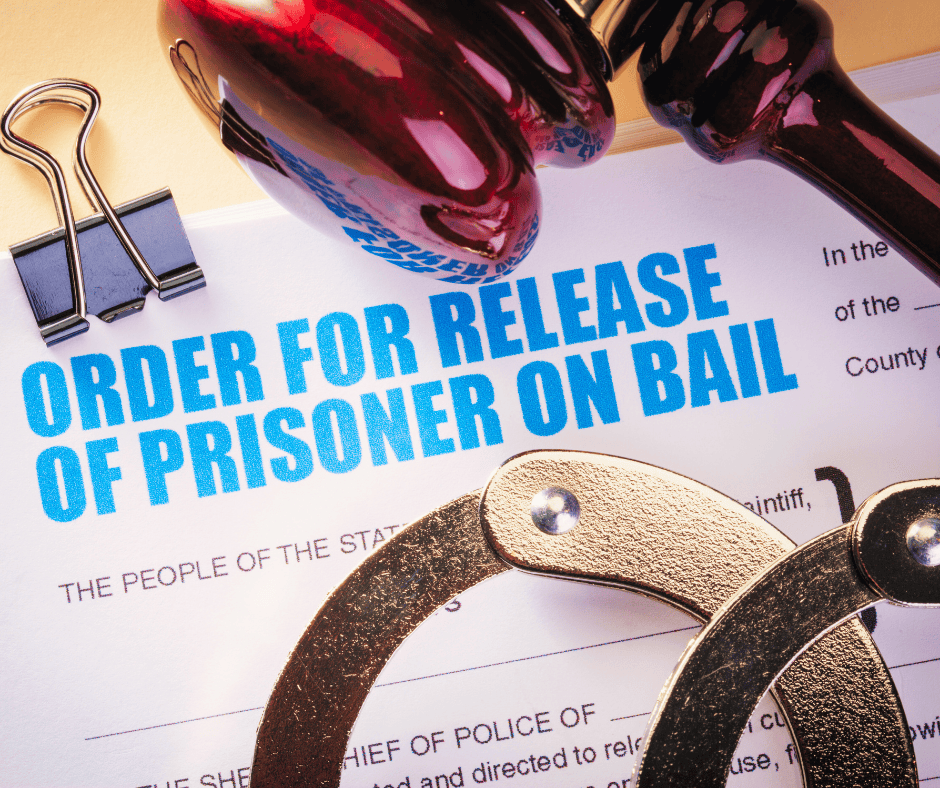
How Bail Bond Payment Plans Work in Guilford County

How Bail Bond Payment Plans Work in Guilford County

When someone you love is booked into the Guilford County Jail, the cost of getting them home can feel like a second emergency stacked on top of the first. The bond amount sounds impossible, the timing is terrible, and nobody keeps that kind of money ready. This is the exact situation bail bond payment plans greensboro families turn to, and understanding how they work can turn a frightening number into a manageable one. The goal here is plain information, calmly explained, so you know what you are agreeing to before you sign anything.

The 15% cap is state law

North Carolina caps a bail bond premium at 15% of the total bond amount under Chapter 58, Article 71 of the General Statutes. No licensed bondsman in the state may legally charge more, which makes the cap a consumer protection rather than a price any single company sets.

The premium is a service fee

A bail bond premium is non-refundable and is not returned when the case ends, because it pays for posting the full bond and carrying the financial risk. It is not a deposit and not a loan, which is why a payment plan spreads the fee itself rather than charging interest on borrowed money.

A co-signer has real obligations

The co-signer, or indemnitor, signs financial responsibility for the premium and agrees to help ensure the defendant meets the conditions of release. If the defendant fails to appear, the bond can be forfeited and the full amount can become due, which is why understanding the role before signing matters.

What You Are Actually Paying For

Start with a distinction that clears up most of the confusion. When a judge or magistrate sets bail at a certain amount, that full figure is not what you pay a bondsman. It is what the court holds as a guarantee that the defendant will appear. A bail bond, formally called a premium-secured appearance bond, lets a licensed surety post that full amount on the defendant's behalf. The surety is the bondsman or the insurance company standing behind the bond, and they guarantee the court the person will show up.

For that service you pay a premium. In North Carolina the premium is capped at 15% of the total bond amount by law, under Chapter 58, Article 71 of the North Carolina General Statutes. That cap is a consumer protection set by the state, not a price a bondsman invents, and no licensed North Carolina bondsman may legally charge above it. The premium is a non-refundable service fee. It is not a deposit, and it is not returned when the case ends, because it pays for the service of posting the bond and carrying the risk.

So when people talk about a bail bond loan, they do not mean borrowing the whole bail amount. The only figure in play is that premium. Bail bond payment plans greensboro bondsmen offer simply spread that premium over time instead of asking a family to produce it all at once.

How the Payment Plan Itself Works

A bail bond payment plan breaks the premium into a down payment plus scheduled installments. The down payment, sometimes called the initial premium, is what gets paid up front so the bond can be posted and the release can begin. The remaining balance is then paid on an agreed schedule.

Many North Carolina bondsmen, Apex Bail Bonds among them, offer 0% interest financing on these plans. That matters, because it means the premium is not treated like a typical loan that grows over time. You are paying the capped premium in pieces, not paying interest on a debt. The plan is set out in a promissory note, which is the written contract that records the schedule and what each party agrees to. Read it. A reputable bondsman will walk you through it line by line rather than rush you past it.

The specific down payment and installment terms depend on the bond size, the circumstances of the case, and the strength of the co-signer. Because those factors vary, the honest answer to "what will my plan cost" is that it takes a short conversation to work out, which is why the first step is always a call rather than a number pulled from a webpage. Bail bond payment plans in Greensboro are arranged case by case for exactly this reason.

The Co-Signer's Role

Most payment plans involve a co-signer, also called the indemnitor. This is the person who signs financial responsibility for the premium and agrees to keep the payments current. It is often a parent, a sibling, or a close friend of the defendant rather than the defendant themselves.

Being a co-signer is a real obligation, and it is worth understanding before signing rather than after. The co-signer is agreeing that if the defendant stops paying, the remaining premium becomes their responsibility. They are also agreeing to help make sure the defendant meets the conditions of release, including showing up to court. None of that should be frightening when it is explained honestly up front, and a good bondsman treats that explanation as part of the job.

When Collateral Comes Into the Picture

Bail bond payment plans in Greensboro come in two forms. Some are unsecured, meaning they rest on the co-signer's promise and financial standing. Others are secured with collateral, which is something of value pledged to back the plan. Common forms of collateral include a car title, a real estate deed, or jewelry.

Whether collateral is needed depends mostly on the size of the bond and the overall picture of the case. A modest bond with a strong co-signer often needs none. A larger bond may. When collateral is used, it is returned once the case concludes and the terms of the bond have been met, provided the defendant appeared as required. The bondsman should explain clearly what is being pledged, what would happen to it, and when it comes back, before anyone signs.

The Responsibilities That Come With a Plan

A payment plan usually carries a few conditions beyond the payments, and they exist to protect the bond that has been posted. The most common is regular check-ins, where the defendant contacts the bondsman on a set schedule, often weekly, as part of the agreement. Check-ins are not punishment. They are how the bondsman keeps track of a bond they are financially responsible for, and they help catch small problems before they become large ones.

The condition that matters most is court attendance. If a defendant misses a court date, that is a failure to appear, and it can trigger bond forfeiture, which makes the full bond amount due to the court. Forfeiture is the situation everyone wants to avoid, and it is the reason the check-ins and the co-signer relationship exist. A defendant who stays in contact and appears as required keeps the plan on track and the collateral safe.

What Sets a Local Plan Apart

Not every bail bond payment plan is arranged the same way, and where the bondsman is based makes a practical difference in Guilford County. A local company knows the Greensboro booking rhythm, the way the Guilford County Jail processes releases, and the paperwork the court expects, which keeps a plan from stalling on avoidable delays.

It also means someone answers when you call. Arrests do not keep business hours, and the moment a bond amount is set is rarely convenient. Bail bond payment plans greensboro families rely on work best when the bondsman is reachable at that moment, can start the paperwork immediately, and can post the bond without waiting for morning. That responsiveness is part of why local, around-the-clock availability matters as much as the plan terms themselves.

The other piece is honesty about the whole arrangement before anyone commits. A trustworthy bondsman states the premium, the down payment, the schedule, and any collateral plainly, answers questions without pressure, and gives a family the time to understand what they are signing. Good bail bond payment plans greensboro residents can actually keep up with are built on that clarity, not on getting a signature as fast as possible.

Where the Guilford County Process Happens

In Greensboro, an arrest typically begins with the Greensboro Police Department or the Guilford County Sheriff's Office, and the defendant is booked into the Guilford County Jail. A magistrate or judge sets the conditions of release, including the bond amount, at the courthouse. The bondsman does not set that amount and cannot change it, which is worth remembering when you are comparing your options.

Once the bond amount is set, a payment plan can move quickly. Apex Bail Bonds keeps a Greensboro office at 101 S Elm St and answers the same North Carolina line, (336) 394-8890, around the clock. The relationships a longstanding local bondsman holds with the jail and the court do not change the bail amount, but they help the posting and paperwork move smoothly once the plan is in place. Families exploring bail bond payment plans greensboro offers can call any hour, including nights, weekends, and holidays.

Why Financing Exists at All

It helps to remember why this option is here. The North Carolina bail system is built so that a defendant's release does not have to depend on a family's ability to produce a large sum overnight. The 15% cap keeps the premium within a known limit, and payment plans keep even that capped amount from being a barrier. Apex describes its financing as offering the lowest rates the state allows, which in practice means working within that statutory cap rather than around it.

A bail bond payment plan does not make the underlying situation less serious, and it does not replace the guidance of an attorney on the case itself. What it does is remove the money barrier to getting a loved one home while the case proceeds, so the family can focus on what comes next rather than on how to assemble a lump sum in the middle of the night.

Talk Through Your Options

Every case is different, and the only way to know what a plan would look like for your family is to talk it through with someone who handles these arrangements every day. If a loved one is in the Guilford County Jail and you are weighing bail bond payment plans in Greensboro or across Guilford County, the team at Apex Bail Bonds can explain the premium, the down payment, the schedule, and any collateral in plain English, then help you decide. As a licensed North Carolina bail bond company that keeps a Greensboro office and answers 24 hours a day, Apex is reachable now at (336) 394-8890. There is no cost to ask, and understanding your options is the first step toward bringing someone home.

Redirect to:

  • From an alternative name: This is a redirect from a title that is another name or identity such as an alter ego, a nickname, or a synonym of the target, or of a name associated with the target.
    • This redirect leads to the title in accordance with the naming conventions for common names to aid searches and writing. It is not necessary to replace these redirected links with a piped link.
    • If this redirect is an incorrect name for the target, then R from incorrect name should be used instead.


Frequently Asked Questions


The down payment is part of the premium, which North Carolina law caps at 15% of the total bond amount. The specific amount depends on the bond size, the case, and the co-signer, so it is set case by case rather than by a fixed figure. Apex Bail Bonds offers flexible plans and can explain your down payment options by phone at no cost.
Not in the usual sense. You are not borrowing the full bail amount, only paying the premium over time. Many North Carolina bondsmen, including Apex, offer 0% interest financing, so the plan spreads the capped premium into installments rather than charging interest on a debt. The terms are recorded in a written promissory note.
Not always. Smaller bonds with a strong co-signer often need no collateral. Larger bonds may require it, such as a car title, real estate deed, or jewelry, which is returned once the case concludes and the bond terms are met. A bondsman will explain whether collateral applies to your situation before anyone signs.